
JEWISH DNA
Understanding Jewish DNA: A Guide to Genetic Heritage, Ashkenazi Markers, and Sephardic Roots
Jewish DNA and genetic heritage represent a complex and multifaceted field of study, reflecting a long history of migration, conversion, and endogamy. Whether you are exploring your roots through a home testing kit or researching the historical movements of Jewish populations, understanding the science behind the results is key.
The Distinct Nature of Ashkenazi Jewish DNA
For many people of Jewish descent, particularly those with roots in Central and Eastern Europe, genetic results are often strikingly clear. Ashkenazi Jewish DNA is considered extremely distinct, making it nearly impossible for major testing services to misread or fail to represent it.
This high degree of distinctness is the result of several factors:
- Endogamy: The practice of marrying within a specific community, which was common in Ashkenazi populations for centuries.
- Bottleneck Effects: Historical events that significantly reduced the population size, leading to a more uniform genetic pool among survivors and their descendants.
- Genetic Health Markers: Due to this shared heritage, Ashkenazi Jews have a higher incidence of specific genetic conditions, including Tay-Sachs, Gaucher disease, and Cystic Fibrosis.
Sephardic Jewish DNA: A Diverse Genetic Profile
In contrast to the Ashkenazi population, Sephardic Jewish DNA is often more heterogeneous. Sephardic Jews, who trace their roots back to the Iberian Peninsula (Spain and Portugal), possess a more diverse genetic profile that can be harder for standard tests to identify with specific markers.
Key characteristics of Sephardic genetic history include:
- Extensive Intermarriage: Throughout history, Sephardic populations have had higher rates of intermarriage and mass conversions compared to Ashkenazi groups.
- Presence in Latin America: Sephardic Jewish DNA is incredibly common across Latin America, a result of historical migrations following the Spanish Inquisition.
Navigating Genetic Testing for Jewish Ancestry
When seeking to uncover Jewish heritage, the choice of testing platform can impact the results. Users have noted that the accuracy of DNA tests can vary significantly, especially for those with non-Ashkenazi roots.
While some users suggest that certain platforms like Ancestry may provide more reliable ethnicity estimates than others like My Heritage, it is important to remember that DNA results can also reveal unexpected family secrets. These findings may include cases of adoption, sperm donor conception, or Non-Paternal Events (NPEs), where a biological father is not who he was assumed to be.
Genetic vs. Cultural Identity: What Defines Being Jewish?
It is crucial to distinguish between biological markers and Jewish identity. Many individuals identify as Jewish based on cultural and religious practices rather than genetic heritage alone.
Judaism is not purely a matter of biology:
- Conversion: Conversion to Judaism is a deeply respected and valid path to joining the community. As the sources note, a person who converts is considered “just as Jewish as Moses” regardless of their genetic background.
- Cultural Belonging: It is entirely possible for an individual to be culturally Jewish without possessing specific genetic markers, particularly if their family has a history of conversion or deep integration into Jewish life over generations.
Ultimately, while Jewish DNA provides a fascinating map of ancient migrations and community survival, it is only one piece of the broader story of Jewish identity.
According to DNA, Palestinians are the closest relatives of the Israelites. A Dutch DNA specialists, revealed Palestinians have more ancient Hebrew DNA than “Jewish” Israelis. A John Hopkins Genetic Study has concluded that 97.5% of the “Judaica” living in the Zionist settlement known as Israel have no connection by blood to ancient Israel. The study also pointed out that 80% of Palestinians carry ancient Hebrew DNA. The study done in 2017, suggest that Ashkenazi Jews have a significant, or even primary, ancestry from the Khazars—a Turkic people who converted to Judaism in the Middle Ages.
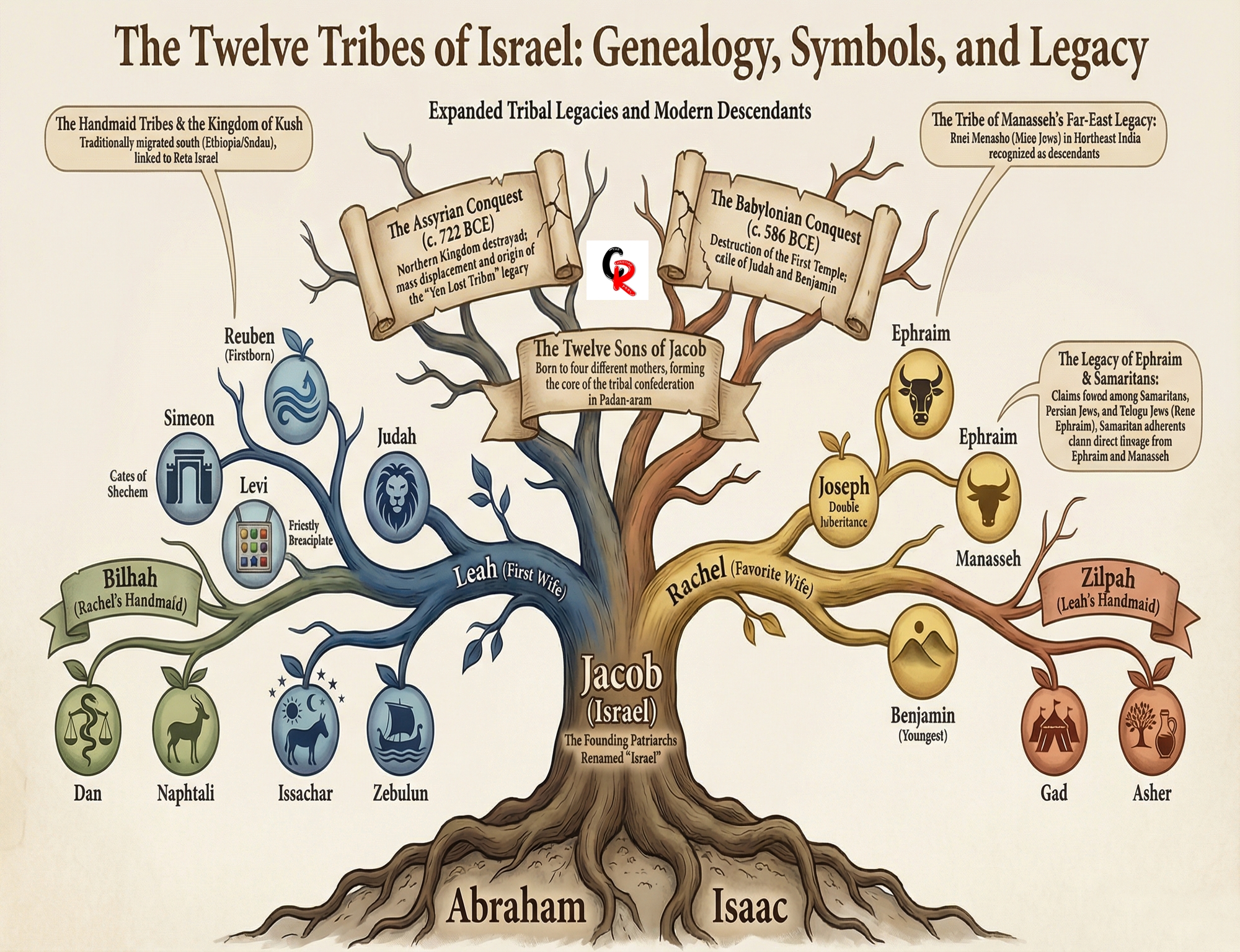
Palestinians are genetically MORE Jewish than Israelis